


Uganda, with its mystical forests, sun-dappled savannas, legendary Great Rift Valley, and the snow-capped Ruwenzori Mountains, is an absolutely gorgeous setting for this Private Safari. Led by your own safari guide and in a private vehicle, enjoy a thrilling big game safari, gameviewing by boat, and the ultimate—the rare opportunity to track chimpanzees and mountain gorillas on foot! To observe these endangered creatures up-close in the wild is one of the world's most unforgettable experiences—the excitement of coming within a few feet of them is simply surreal.


Arrive: Entebbe, Uganda
Depart: Entebbe, Uganda


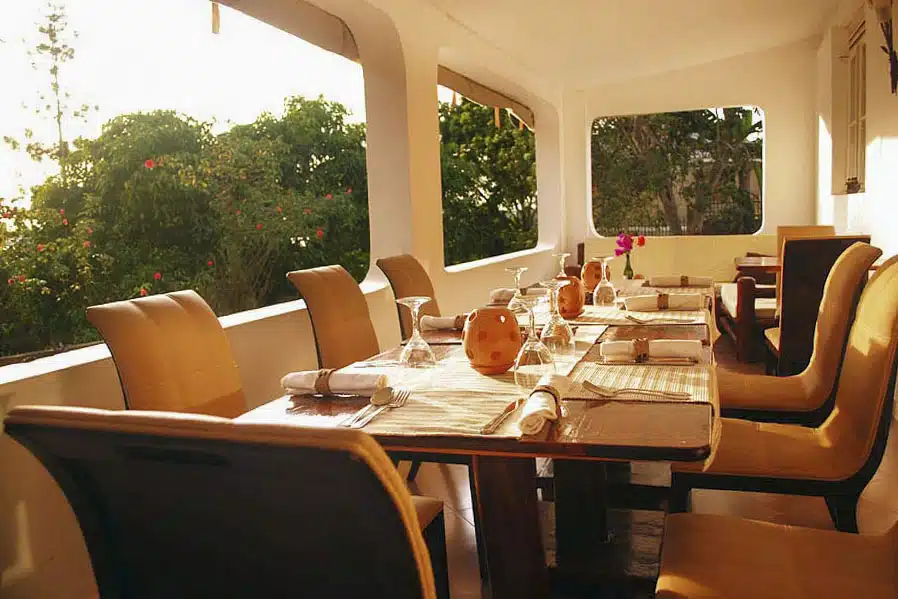
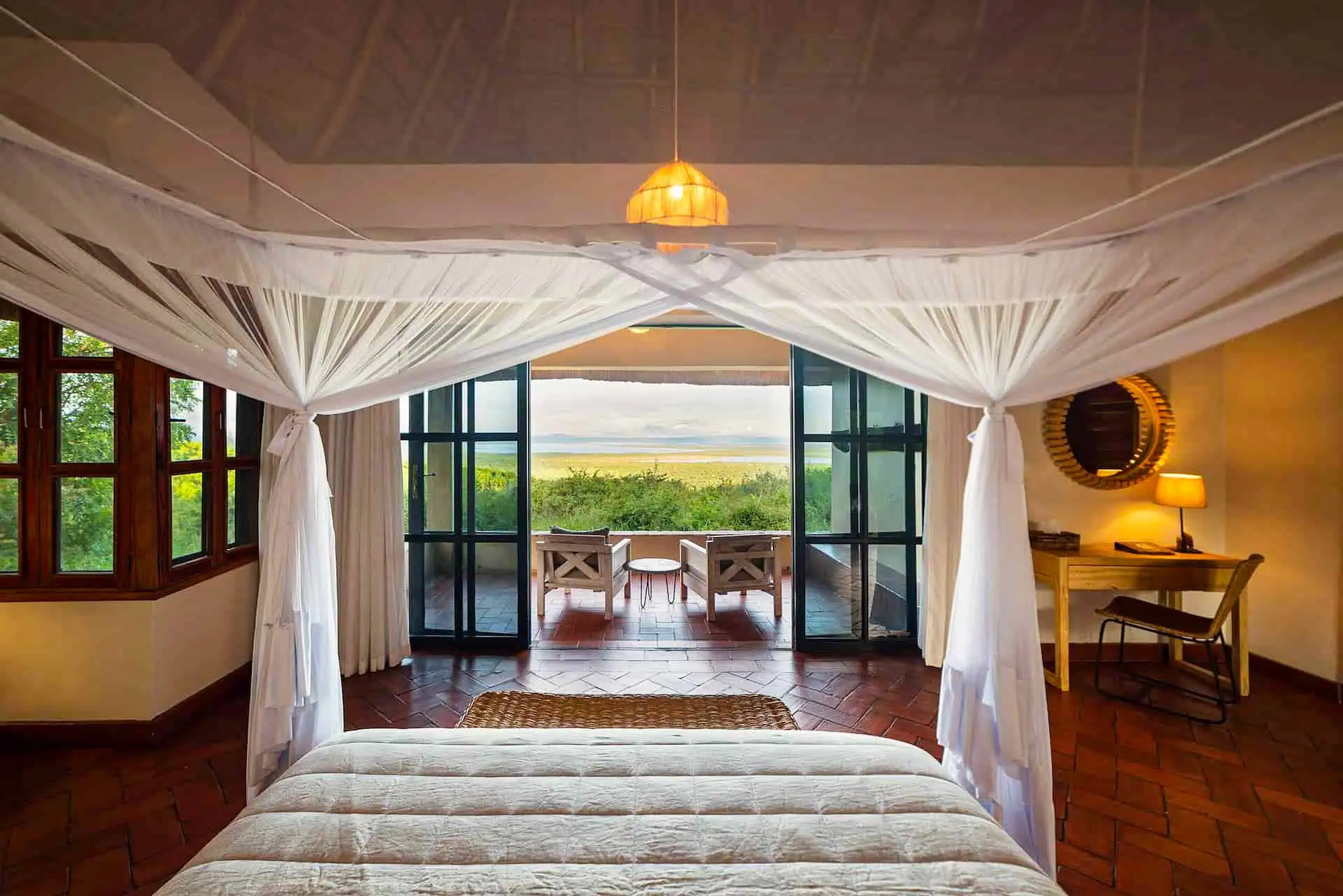
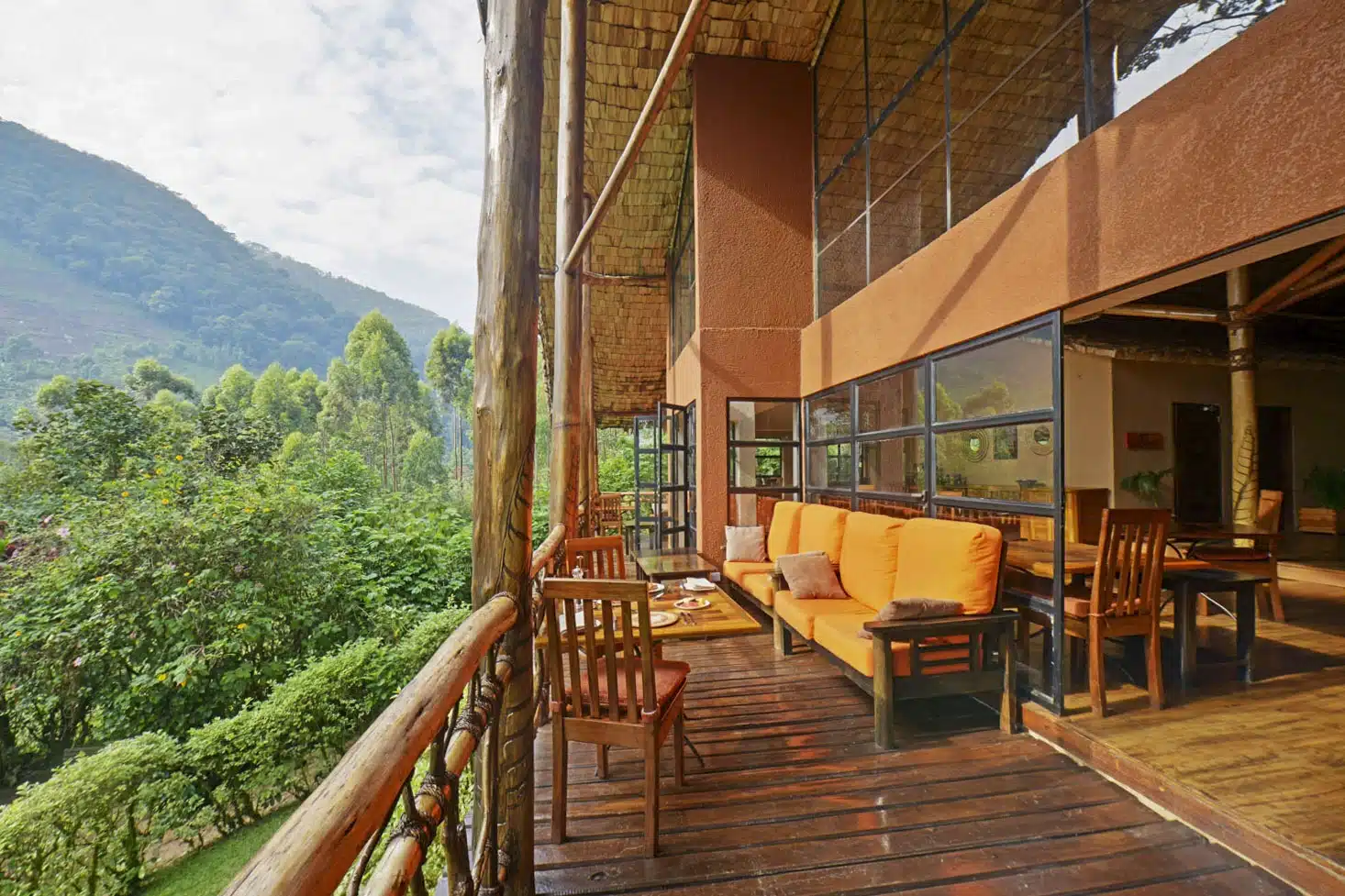
Scroll through our signature accommodations for this trip below. Although it is highly unlikely, we may make substitutions when necessary.

This trip is rated Level 3+, Moderate, according to our trip grading system. The hike to see the mountain gorillas can last anywhere from 1 to 6 hours, which includes one hour spent with the gorillas, over terrain that can be steep, thickly forested, and/or slippery. Altitudes for the gorilla tracking portions of the trip range from approximately 3,900 feet to approximately 7,500 feet. You will be hiking through dense, thorny bush covering up to four miles or more in distance. You may be hiking in all types of weather; rain can occur in these mountains at a moment's notice. The climate is hot and humid. Gorilla tracking is a strenuous activity and it is important to be in good physical condition. You will often hike uphill to follow the clans, but will take breaks along the way.
The hike to see the chimpanzees takes an average of 2.5 hours, though it can last up to 4 hours when chimps are on the move in search of food. You will hike on marked trails for at least part of the trek. However, as with the mountain gorillas, you will follow the chimps' movements, prompting you to sometimes go off-trail based on their wanderings. Altitudes during this portion of the trip range from approximately 3,900 feet to approximately 4,600 feet. Conditions can be boggy and since you are in a tropical rainforest, it can rain at any time.
Any African safari is an adventure, and the traveler to Africa should bring along flexibility, a sense of humor, and an openness to the unexpected.
This trip combines savanna wildlife viewing and tropical rainforest hiking in Uganda's lush highlands. Early walks in Kibale Forest follow shaded trails through dense rainforest that can be warm and muddy. The highlight is gorilla trekking in Bwindi Impenetrable National Park, where we hike 1 to 6 hours at elevations up to about 7,500 feet. The terrain includes steep, thick montane jungle that may involve muddy, uneven ground and off-trail travel.
Gorilla tracking is a strenuous activity and it is important to be in good physical condition. The shape you're in will be an important factor in your enjoyment of and ability to partake in these hikes. Make an effort to get in good physical condition with hiking, biking, running, or other kinds of exercise beyond your normal routine. Start getting in shape months before your departure. A brisk 30-45 minute walk every other day over moderately steep terrain can do wonders for your conditioning.
The climate in Uganda is considered “modified tropical”— similar to the equatorial climate of other East African countries like Kenya and Tanzania, but slightly modified by its altitude, which ranges from 3,500 to 4,500 feet. Daytime temperatures are usually in the 70s and 80s, and humidity is fairly high. You can expect to experience some rain during the course of the trip. Like Kenya and Tanzania, Uganda has two annual rainy seasons, one between March and May and one between October and November.
June, July and August
During these months, the country is refreshingly green and the weather is coolest, especially in the higher altitudes, with a high of 70°-80° and a low of 40°. Riding in the safari vehicle can be chilly some mornings, but the temperature usually warms up by 10:00 am.
September, October and November
These are delightful times to visit Uganda and can be compared to springtime in the US. The jacaranda and other trees are bursting into blossom and the days are warmer. The high temperatures are 75°-85°F, with a low of 65°F. Scattered rains occur in November and early December. These “short rains” just freshen the country and lay the dust, although they can sometimes be heavy.
December to March
These are Uganda's “summer” months. The temperature range is from 80° to 90° during the day (coastal areas are hotter and can range from 80° to 100°). The evenings range from 50°F to 60°F.
April and May
The rainy season (the “long rains”) occur during these months.
Accommodations will be in comfortable hotels, safari lodges, and tented camps with spacious tents equipped with en suite facilities.
You will have an English-speaking drive/guide and private vehicle from Day 2 to 7. We use five- or seven-passenger Nissan safari vehicles (never minibuses!), and all vehicles have roof hatches for easy wildlife viewing and photography. A cooler of drinks and refreshments is carried aboard, and our 4WD vehicles can go virtually anywhere, an important feature when you're tracking game. Please note there are some long driving days over rough roads and dusty dirt tracks.
During drives and walks, you can at times get quite close to wild animals. Being very quiet improves everybody's chances of observation. In the interest of safety, your guide explains limitations on movement while on game drives, in the safari vehicles, and around camp. Specific guidelines are in effect for the viewing of chimpanzees and gorillas—both for their protection and for your own. Incidents with wild animals are extremely rare on safaris, but no trip can guarantee immunity from such incidents. Wilderness Travel is not to be held responsible for incidents involving the behavior of wildlife.
Wildlife Viewing
In Uganda, the wildlife is truly wild. Unlike some of the Kenya and Tanzania game parks, the wildlife here has not been exposed to a great number of humans. Except when viewed from the launch trips on the rivers, Uganda’s wildlife has a healthy, natural shyness of our vehicles. Here we have an opportunity to observe natural behavior. Binoculars are strongly recommended for observing animals as well as birds. They will also be helpful for observing chimpanzees and monkeys who spend much of their time high up in trees. We recommend 10-power if you are interested in seeing and identifying smaller birds.
Chimpanzees
Within the reserve, chimpanzees are wild and free to roam wherever they choose. Their movements are influenced not by people but by ecological and social factors. You will track chimpanzees by following their morning vocalizations—they tend to call most just after sunrise. Once you hear these calls, the group walks as quickly and quietly as possible to find them, as they may only call a few times. Chimps do not associate in permanent groups and the number and identity of them encountered during a visit cannot be ascertained beforehand. As their movements are difficult to predict, finding them is dependent on their behavior and we cannot guarantee we will see them.
Essential Guidelines For Viewing Chimpanzees
Wild chimpanzees are very active and temperamental animals. Their response to visitors will be determined in part by the visitors’ behavior. It is important that the initial approach to the chimps is quiet and calm. If the chimps are feeding, it will be possible to observe them quietly. Once they settle down, the local guides will search for the best possible vantage points and visitors can move around and speak softly. If the animals are traveling, so will the visitors. If the chimps are resting on the ground, visitors must try to be especially calm and quiet. If a chimp starts a threatening display, stay close to the guides and do not run away. If visitors do not disturb or annoy the chimps, it is unlikely they will be aggressive. Binoculars are essential for viewing chimps high up in the trees. Find a comfortable spot, lean back, and enjoy watching them feed, groom, and interact.
Chimpanzees are very susceptible to human diseases, especially respiratory ones. To reduce the risk to the animals, visitors are not allowed to eat or smoke while in the forest. It is not possible to approach within five meters (16 feet) of the chimps. This not only protects the animals, but also reduces the risk of aggression from them. It must be remembered that chimpanzees are intelligent and curious, but also very excitable. Visitors must not encourage contact at any time. Photographing chimpanzees can be difficult. They spend much of their time feeding in trees and are often backlit. Flash photography is not permitted as the flash seems to bother them.
Gorillas
The gorillas we visit have been habituated by park rangers over many years to tolerate the presence of small groups of visitors. The habituation process involves locating the family each day by following their trail of the previous day and then staying with them for as long as the “habituator” is tolerated. In the early stages of the habituation process, the gorillas are very nervous, and the dominant male attempts to intimidate the habituator by chest beating and repeated bluff charges, while the members of his family move away and remain hidden. As the gorillas become more used to these daily visits, the behavior of the adult male becomes less volatile and the daily observation period is gradually extended. Slowly the gorillas come to understand that the observer, whom they recognize, poses no threat to them and so curiosity overcomes fear and they begin to show themselves more readily. At this point, visitors can be taken to the gorillas for the daily visit, starting with one and slowly building up to a maximum of eight people per family of gorillas per day.
Essential Guidelines for Viewing Gorillas
The minimum age for all gorilla tracking participants is 15 years old. In order to protect gorillas from communicable diseases, to which they are very susceptible, gorillas cannot be touched by humans. Any traveler with an obvious cold or other communicable illness will not be allowed to participate in the treks. Groups may remain with the gorilla family for a maximum of one hour. It is very important to follow the instructions of your guide at all times. He or she works with the gorillas every day and understands them very well. Always remain in a compact group close behind the guide. The guide will locate the dominant male of the group and will attempt to position you in such a way that the gorilla can see you at all times. It is very important that the dominant male knows exactly where you are and for this reason you must always remain together in one group.
If the dominant male approaches very closely or even charges, it is very important that you do not move backwards: remain exactly where you are. The guide may suggest you adopt a submissive posture by sitting down slowly. If a young gorilla approaches, under no circumstances should you make any move to touch it. The guide may try to discourage it from touching you, as this can create a dangerous situation with the dominant male.
Avoid sudden movements or loud noises because they can be particularly disturbing to the gorillas. Do not move any vegetation to get a better photo opportunity. Shaking the vegetation is a gorilla threat display! Or, the gorilla may interpret it as an attempt to take away his food—not a good idea when in the company of a 400-pound gorilla. Flash photography is not permitted.
Often the gorillas are found in very dense vegetation where visibility is poor. The guide will very carefully try to maneuver the group of visitors into a better position, but this is slow work, so please be patient. Never forget that these gorillas, while tolerating your presence, are still totally wild animals.
"This was an outstanding trip that satisfied both myself and my son's "bucket-list" desire to see the gorillas and wildlife in Africa."
Bob K.
Reno, NV
"This ‘trip of a lifetime’ actually exceeded my expectations. Uganda is a special place. The accommodations were top notch and the level of service received was off the charts."
David K.
Livermore, CA
"All of the accommodations exceeded my expectations as did the food and service staff. Very impressive. And our guide was spectacular. He had extensive knowledge of every aspect of our adventure, from the animals on safari, to government policies, to the local food. He took close care of us to ensure we had safe and interactive excursions."
David S.
Portland, OR
"We especially loved our guide—what an amazing person. He was very kind, friendly, knowledgeable, and not only provided the ability to see all the wildlife we wanted to see, but also introduced us to the people of Uganda. We feel we had as much fun with him and the people as we did with the gorillas!"
Tom M.
Naples, FL
"All of the hotels were wonderful! Each had a different look and feel and every one was charming! All of the staff and the various locations were friendly, polite, and always extremely helpful and accommodating."
Vanessa K.
Hillsborough, CA

Private Journey
Madagascar Private Journey
Madagascar
Level 3
9 Days
From $7,295

Small Group Adventure
Mountain Gorilla Safari
Uganda
Level 3+
10 Days
From $9,395

Small Group Adventure
The Ultimate Uganda Safari
Uganda
Level 3+
12 Days
From $10,195

Small Group Adventure
Wildlife Adventures in Borneo
Borneo, Malaysia
Level 2+
11 Days
From $9,795
Our Area Specialists know every detail about our tours. They will be happy to answer any questions and help you choose the journey that’s right for you. Contact us to learn more or book your trip today!
Submit the form below to download itinerary
With more than 200 different adventures to choose from, we want to help you find the trip that’s right for you. Our Trip Level system ranks each trip in two ways: a number rating from 1 to 6 according to the activity, and general travel rigors. 1 is the easiest and 6+ the most difficult.


